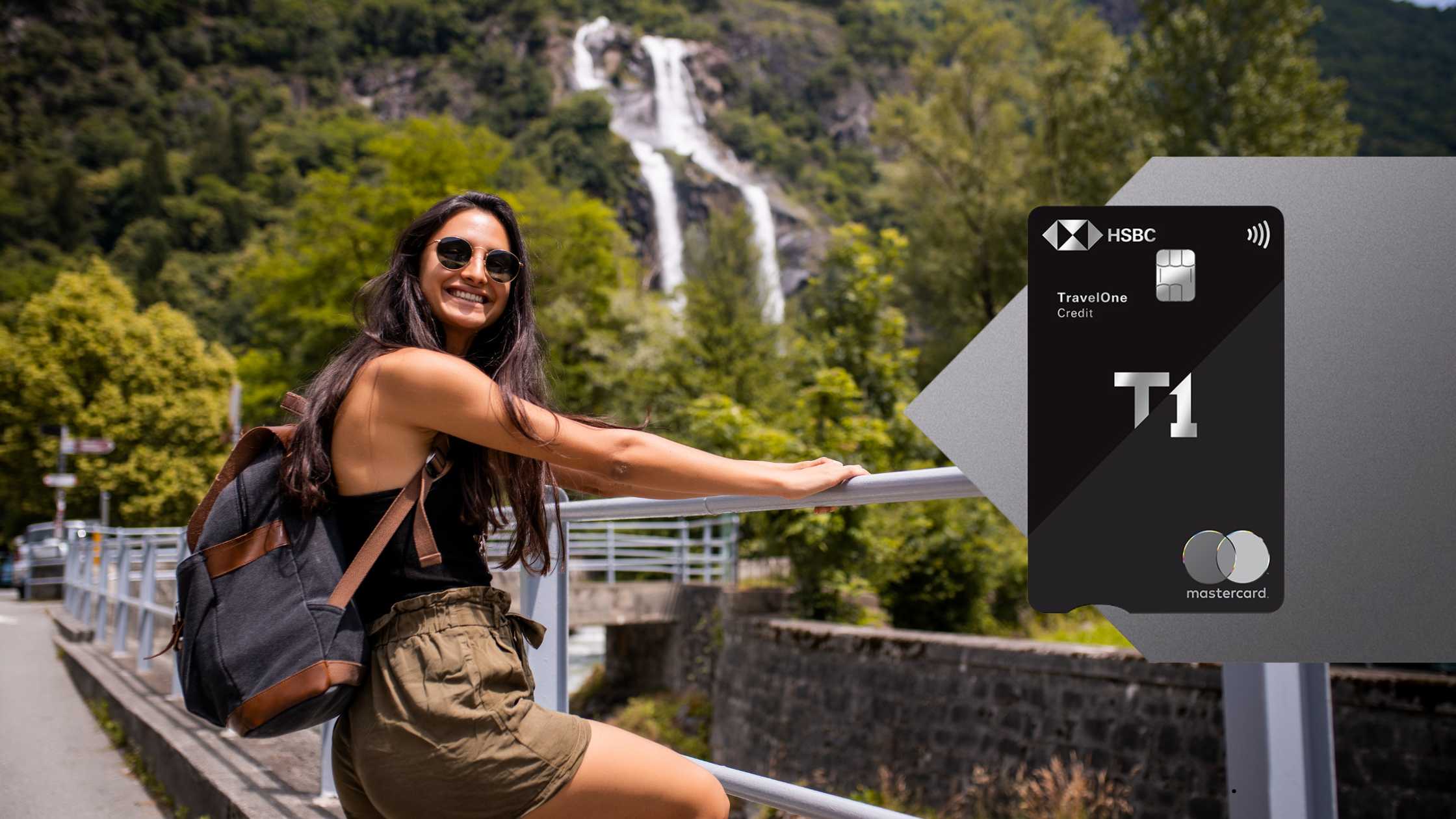
The wrong credit card can quietly eat your money in fees and interest. The right one can literally pay for your next flight, Zara order, or Netflix bill. In this 2026 guide, you’ll discover how to choose a credit card in India, especially if you’re:
- An Indian woman juggling salary, bills, and family expenses
- A homemaker managing household money
- An NRI trying to figure out which Indian card or card type makes sense for you
And if you stay till the end, you’ll get a 10-minute checklist to decide “What is the best credit card type for me?”.
Let’s start with a question most people never ask (but should)…
Should You Even Get a Credit Card Right Now?
Before we talk about how to choose a credit card in India, we need to ask a more honest question:
“Is a credit card the right move for me right now?”
When a credit card makes sense
You’re probably ready if:
- You have a stable income (salary, consistent freelance income, or regular family allowance)
- You can track your expenses at least roughly
- You usually pay your bills on time
- You want to build your credit score for future loans (home, car, business)
- You like the idea of rewards, cashback, and offers on the spends you’re already making
When you should wait
Press pause if:
- You’re already struggling with personal loans/EMIs
- You often pay only the minimum due on existing cards
- You use shopping or eating out as an emotional escape
- You don’t know where your money goes every month
Later in this blog, you’ll find how minimum due traps work and why they’re dangerous—especially for beginners.
Understand How Credit Cards Work in India
You don’t need to become a finance nerd. But to pick the best credit card type for you, you must understand a few basics.
Key terms you must know
- Credit limit – The maximum amount you can spend on your card. Not your extra salary.
- Billing cycle – Usually ~30 days; it decides your statement date and due date.
- Due date – Last date to pay your bill without interest.
- Minimum amount due – Smallest amount you must pay to avoid a penalty. If you pay only this, the interest explodes on the remaining amount.
- APR / Interest rate – Yearly interest rate on unpaid balances. Indian credit cards often charge 30–42% per year.
You don’t have to remember the numbers, just remember this rule:
Credit cards are amazing when you pay in full. They’re brutal when you carry forward.
How banks look at you
Most banks in India look at:
- Your income (salary slips, ITR, bank statement)
- Your credit score (CIBIL and others)
- Existing loans/EMIs
If you’re an NRI or living abroad, you may still:
- Hold an Indian credit card if you have Indian income, an NRE/NRO account, or property/financial ties
- Use your Indian card for India spends, online subscriptions, or family expenses
🔁 We’ll later talk about which card types make sense if you’re an NRI supporting family in India and paying bills from abroad.
How to Choose Credit Card in India – A Simple Framework
Instead of asking, “Which card is best?” ask yourself:
“What do I want my credit card to do for me?”
This is how you cut through the noise.
1. Define your primary goal
For most Indian women (and NRIs with ties to India), the goal is one of these:
- Save money on everyday expenses → Cashback
- Earn points and redeem them later for vouchers, flights, or hotel stays → Rewards
- Travel smarter with lounges, miles, and offers → Travel/airline cards
- Build or rebuild credit → Beginner or secured cards
2. Map your spending pattern
Roughly think about your monthly spends:
- How much do you spend in total? (₹15k? ₹40k? ₹80k+?)
- Where does most of it go?
- Groceries & household items
- Online shopping (Myntra, Amazon, Nykaa, etc.)
- Fuel & commuting
- Eating out, Swiggy, Zomato
- Travel (flights, hotels, cabs)
- School fees, rent, utilities
Example personas
- Priya – Salaried professional in Noida
Spends ~₹35k/month: rent, groceries, cabs, Zomato, Netflix, phone bill. Wants savings on daily expenses. - Shreya – NRI in Dubai
Uses an Indian card for: parents’ medicine & groceries, Indian OTT, occasional flight tickets to India. Wants miles + value on India spends. - Anita – Homemaker in Pune
Manages household budget: groceries, kids’ tuition, utilities. Wants predictable cashback and fee-free if possible.
Keep these examples in mind. When we talk about card types, you’ll see exactly which might be the “best credit card type for me” based on your persona.
3. Shortlist 2–3 cards, not 20
Search results and influencers will throw dozens of cards at you.
Your goal isn’t to know all of them.
Your goal is to:
- Pick one main card that fits your biggest spend category
- Optionally add one supporting card (like fuel, travel, or co-branded) later
Best Credit Card Type for Me – Compare the Main Card Categories
Now we answer the big question:
“What is the best credit card type for me?”
Let’s break down the main types—using real-life Indian women examples.
4.1 Cashback credit cards
Best for: Women who want simple, visible savings on everyday spends.
- You spend → You get a percentage back as cash or statement credit.
- Great for: groceries, food delivery, utility bills, fuel, and online shopping.
Pros:
- Easy to understand – you see the savings clearly
- Great for busy women who don’t want to track reward points
Cons:
- Often have caps on monthly cashback
- Some categories may be excluded (like rent or wallet loads)
Who this fits:
- Priya in Noida, spending on rent, Swiggy, cabs, OTT
- Anita in Pune, managing home expenses
If you often ask, “Just tell me how much I’m saving, I don’t care about points math”, cashback might be the best credit card type for you.
4.2 Rewards/Points credit cards
Best for: Women who are okay with a little tracking and want maximum value.
Here, you:
- Earn points on every spend
- Redeem them for vouchers, flights, hotels, or products
Pros:
- Can give more value than cashback if you redeem smartly
- Good for people with consistent monthly spends
Cons:
- Points can expire
- Reward catalog can be confusing
- Redemptions may not always give the best value
Who this fits:
- Salaried women who spend regularly and want to optimize
- Women whose companies reimburse some expenses but let them keep points
If you enjoy squeezing value from “systems” and don’t mind learning how rewards work, this might be the best type of credit card for you.
4.3 Travel and airline credit cards
Best for: Women who travel at least 3–4 times a year (India or international).
These airline credit cards can give you:
- Air miles/travel points
- Free or discounted lounge access
- Hotel and flight offers
- Travel insurance
Pros:
- Flight savings and lounges can be a big win if you travel frequently
- Great for NRIs visiting India multiple times a year
Cons:
- Often have higher annual fees
- Benefits may be restricted to specific airlines or partners
- Miles can devalue over time
Who this fits:
- Shreya in Dubai, flying to India a few times a year
- Women whose job involves frequent travel
- NRI women paying for their family’s travel in and out of India
If you’ve ever thought, “I wish at least one of these India trips could be free”, then a travel card might be the best credit card type for you.
4.4 Shopping and co-branded credit cards
Best for: Loyal shoppers of specific platforms or brands.
Examples:
Pros:
- Higher rewards on that specific platform
- Often great for sale seasons and EMI offers
Cons:
- Benefits are concentrated in one platform
- Not great if your spending is very diversified
Who this fits:
- Women who do most of their shopping on one app
- NRI women who buy gifts and essentials online for their family in India
Use these as a second card, not your only card, unless your spending is heavily focused on that brand.
4.5 Beginner/secured credit cards
Best for:
- Women with no credit history
- Housewives or self-employed women using fixed deposits for secured cards
- Those who’ve had issues with loans/cards in the past and want to rebuild
These are easier to get because they’re often backed by a fixed deposit or come with lower limits.
Why they’re powerful:
- They help you build a credit score slowly and safely
- You can upgrade later once your credit profile improves
If you’re wondering, “No bank is giving me a card, what do I do?”, a secured or beginner card is likely the best credit card type for you for now.
So… which is the best credit card type for you?
Use this quick guide:
- “I want simple savings, I’m busy” → Cashback card
- “I spend regularly and don’t mind tracking rewards” → Rewards card
- “I travel often” → Travel/airline card
- “I shop mostly on one site” → Co-branded (as secondary card)
- “I’m just starting or rebuilding credit” → Secured / beginner card
We’ll convert this into a 10-minute checklist towards the end so you can confidently answer: “What is the best credit card type for me?”
Credit Card Fees, Charges, and Hidden Costs You Must Check
Now we come back to that minimum due trap and hidden charges.
Annual fee vs lifetime free – which is truly cheaper?
- A lifetime free card is good for beginners or low spenders.
- A paid card with a higher fee can still be better if:
- You can fully use its benefits (lounges, rewards, offers)
- The rewards you earn > annual fee
Ask yourself: “Will I actually use what I’m paying for?”
The dangerous part: interest and minimum due
If you pay in full every month → you enjoy free credit up to ~45 days.
If you pay only the minimum due:
- The remaining balance is charged hefty interest
- New purchases may not get an interest-free period
- Your debt can snowball shockingly fast
For women managing both family and work, this is how it often starts:
- One heavy month → “I’ll just pay minimum due this time.”
- Next month → Add new spends + previous balance + interest.
- Suddenly → “Why is my outstanding so high?”
The card did not fail you. The usage pattern did.
Other charges you must check
- Late payment fees
- Cash withdrawal fees (never use a credit card for cash unless it’s a life-or-death level emergency)
- Forex markup (important for NRIs and international spends)
- GST on fees and interest
How Many Credit Cards Should You Have?
This is a popular question on HerPocket: “How many cards are too many?”
If you’re a beginner
- Start with one good card that matches your biggest spending pattern.
- Use it for 6–12 months, build discipline, and always pay in full.
If you’re comfortable and disciplined
- 2–3 cards can be okay if:
- Each card has a clear role (daily use, travel, co-branded)
- You track bills and due dates properly
- You’re not using credit to overspend
NRIs: a special note
If you’re an NRI:
- One Indian card may be enough for expenses in India (family, subscriptions, travel)
- Your primary card may remain your foreign country card
- Check the forex markup for any international usage on your Indian card
Common Mistakes Indian Women Make While Choosing a Credit Card
Let’s quickly see what not to do:
- Choosing a card only because:
- The bank manager called
- There’s a gift or joining bonus
- Ignoring the year 2 onwards annual fee
- Not checking if rewards fit your spending pattern
- Falling for “premium” cards without using lounges, golf, concierge, etc.
- Using a credit card to handle a regular cash shortfall every month
- Not reading T&Cs around:
- Cashback caps
- Excluded categories
- Reward expiry
Read a simple 10-point checklist so you can choose confidently. Almost there.
10-Minute Checklist: How to Choose Credit Card in India For Indian Women & NRIs
You can literally screenshot or copy this and use it when you’re comparing cards.
1. My monthly income and stability
- I have a stable income (salary/freelance/family support)
- I’m not drowning in existing debt
2. My total monthly spends
- Approximate amount I spend in a month: ₹______
3. My top spending categories
Tick your top 2–3:
- Groceries & household
- Online shopping
- Fuel and commuting
- Eating out / food delivery
- Travel (flights, hotels, cabs)
- School fees/education
- Subscriptions/OTT/apps
- Family expenses in India (if NRI)
4. My primary goal for a credit card
- Save money on daily spends (cashback)
- Earn points and redeem later (rewards)
- Get travel benefits (miles, lounges)
- Build or rebuild credit (beginner/secured)
5. Best credit card type for me (based on above)
- Cashback card
- Rewards card
- Travel/airline card
- Co-branded card (as secondary)
- Beginner/secured card
6. Fees and charges checked
- Joining fee and annual fee after the first year
- Interest rate (APR)
- Late payment fees
- Forex markup (especially if NRI or frequent traveller)
7. Rewards/cashback structure
- I understand how I earn rewards/cashback
- I know if there’s a monthly or category cap
- I know how to redeem my rewards
8. Compatibility with my lifestyle
- Card benefits match where I actually spend
- I will realistically use at least 70–80% of the benefits offered
9. Shortlisted cards
- Card 1: __________________________
- Card 2 (optional): __________________
Compare these two based on:
- Fee vs benefits
- Rewards on your top categories
- Extra perks you’ll actually use
10. Discipline plan
- I will pay the full amount due every month
- I will set automatic reminders or auto-debit
- I will avoid using a credit card for cash withdrawals
How to Choose Credit Card in India: Verdict
You need to select a credit card that genuinely fits your life, spending patterns, and financial goals. Whether you’re an Indian woman managing household expenses, a salaried professional juggling bills and lifestyle spends, or an NRI supporting family back home, the process becomes much simpler when you follow a clear framework.
Understand your spending, pick the card type that matches your priorities, compare only 2–3 relevant options, and always stay mindful of fees and repayment discipline. When used right, a credit card becomes a tool for smarter money management, savings, rewards, and long-term financial confidence. And as you’ve seen throughout this guide, learning how to choose a credit card in India doesn’t have to be complicated. Start with the 10-minute checklist, make an informed choice, and let your card work for you.